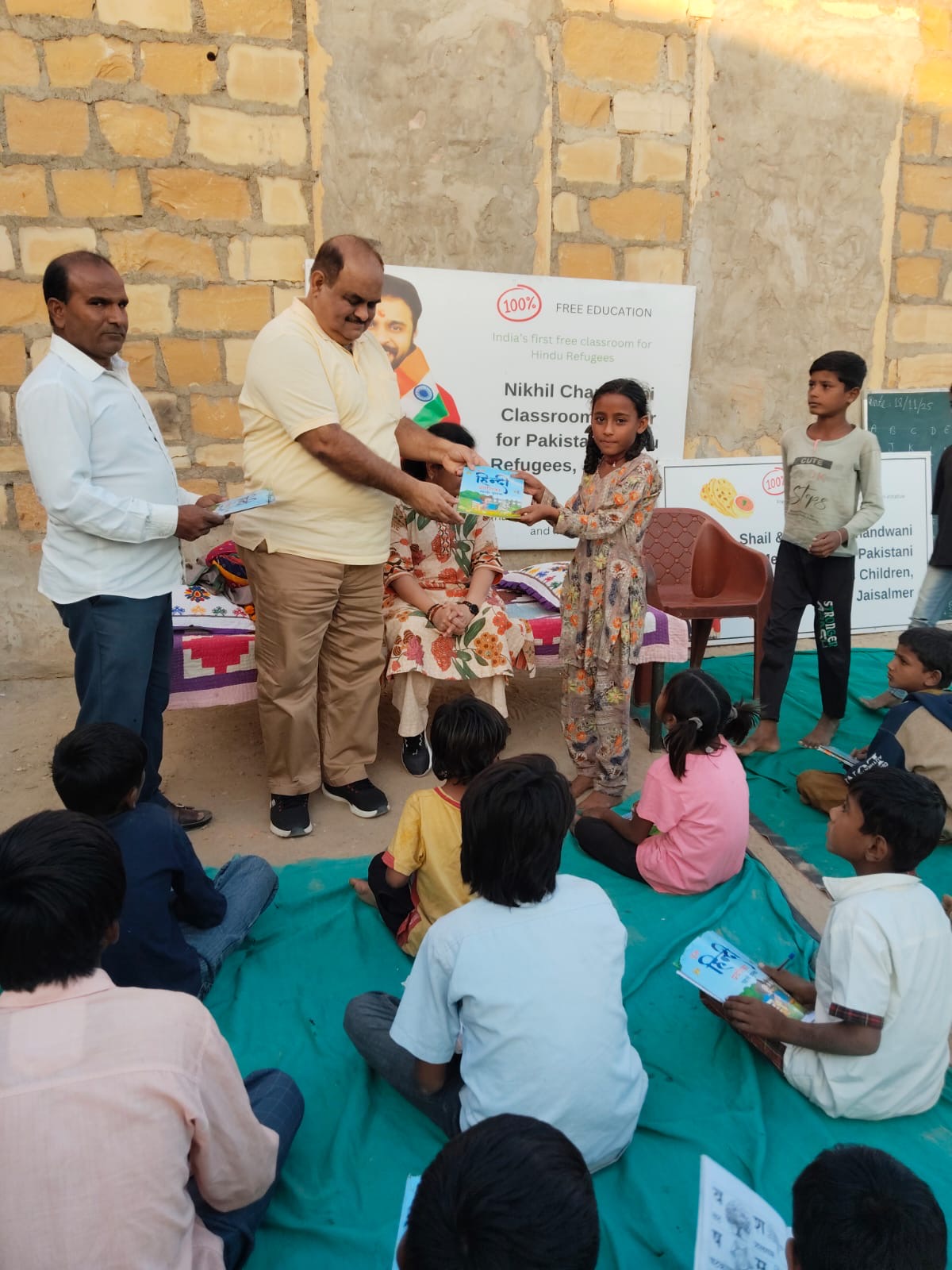
Rescued families · Jaisalmer camp
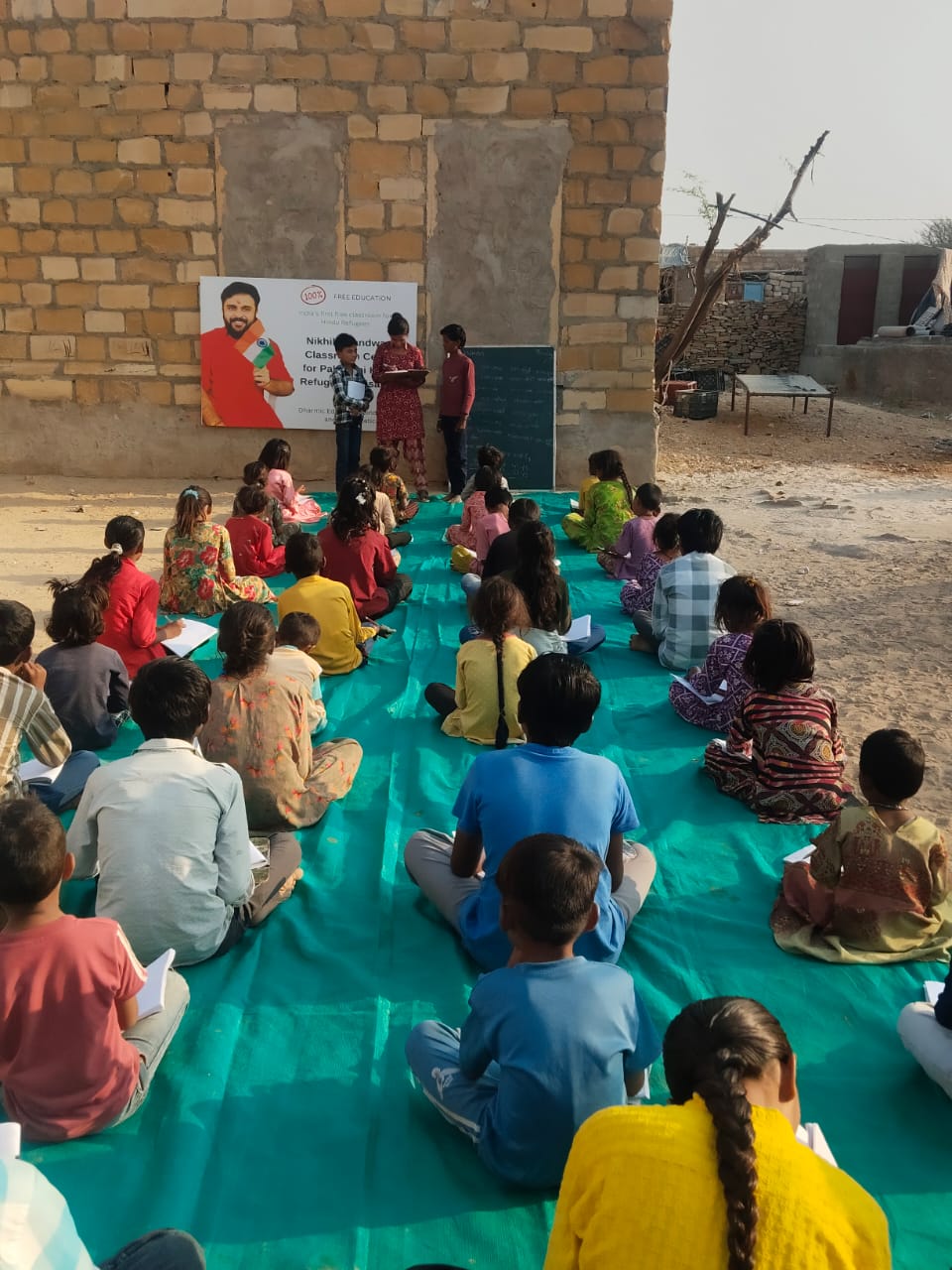
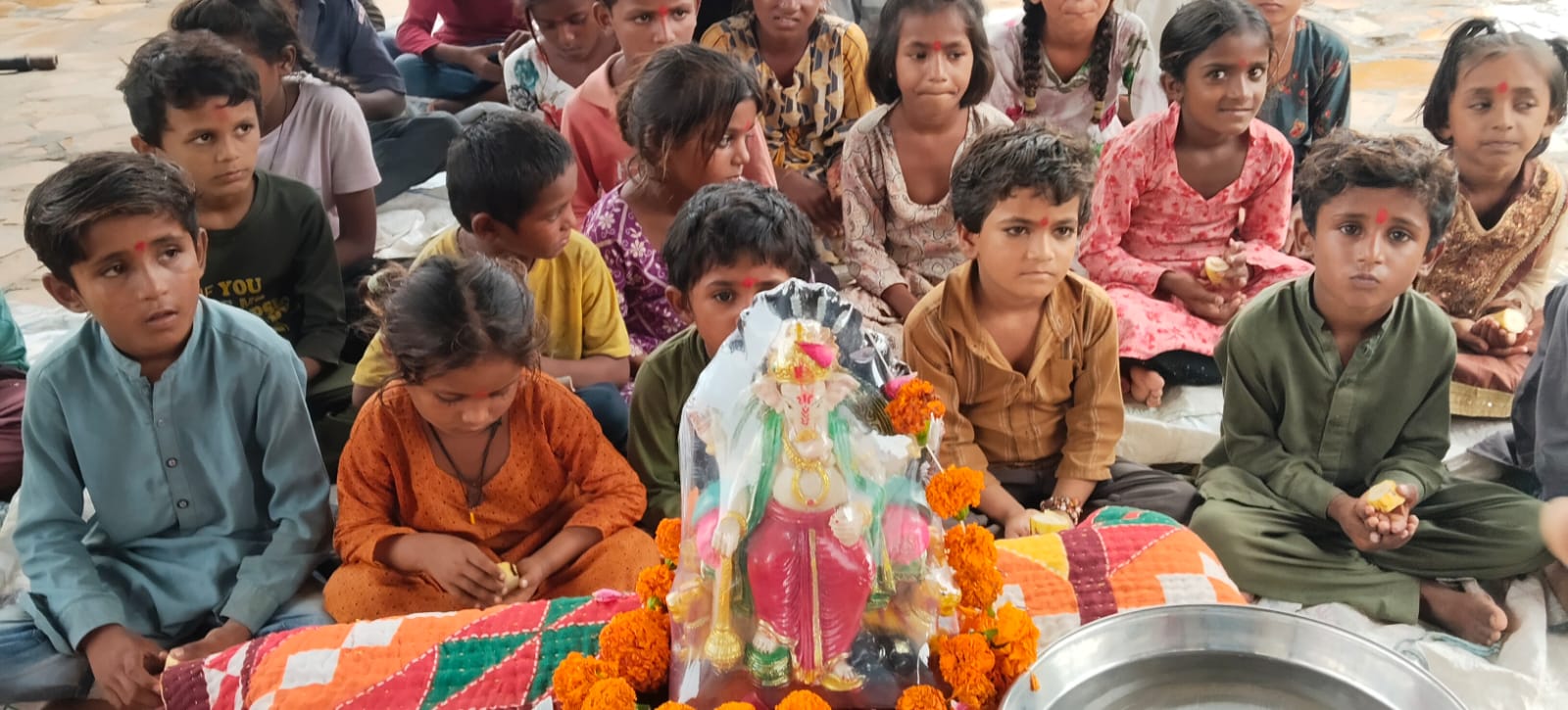
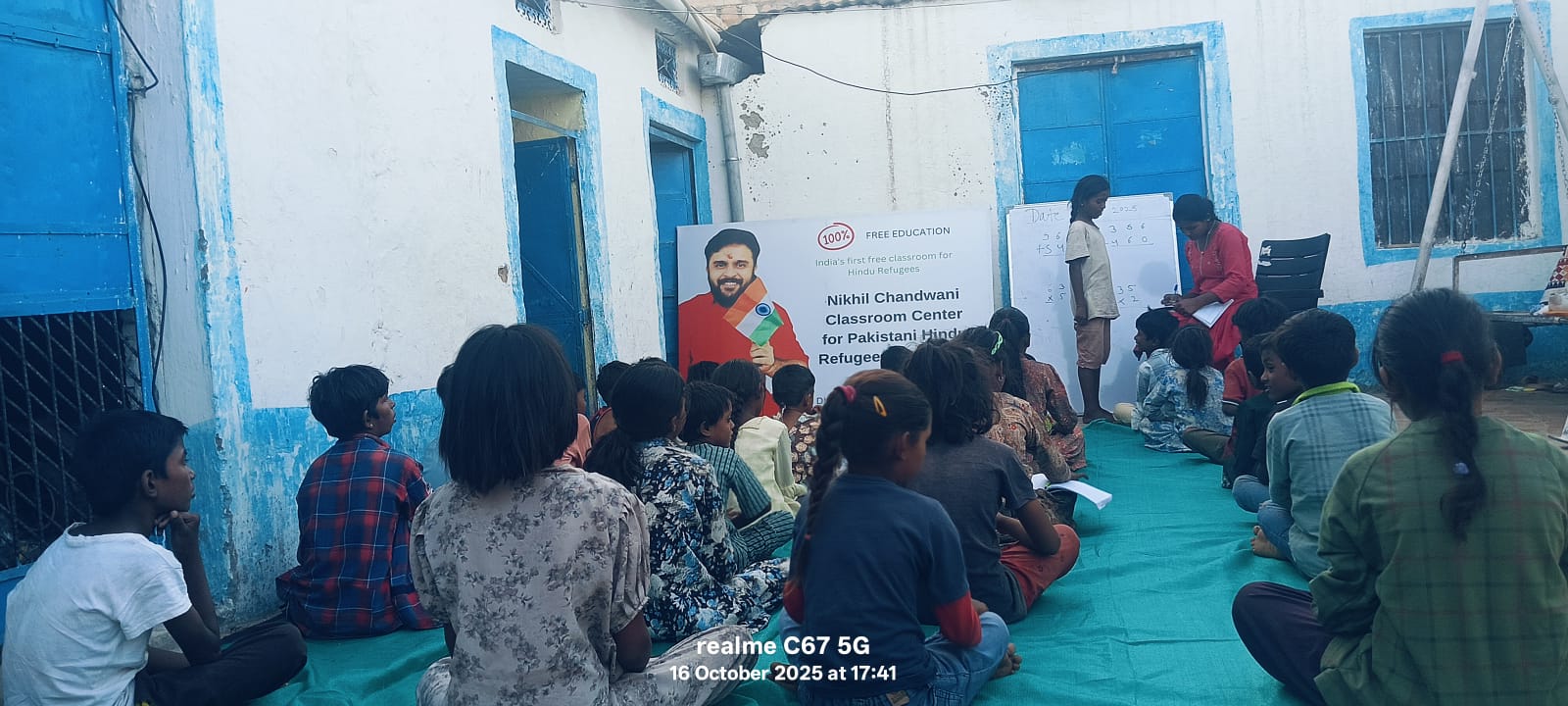
Education at the camp
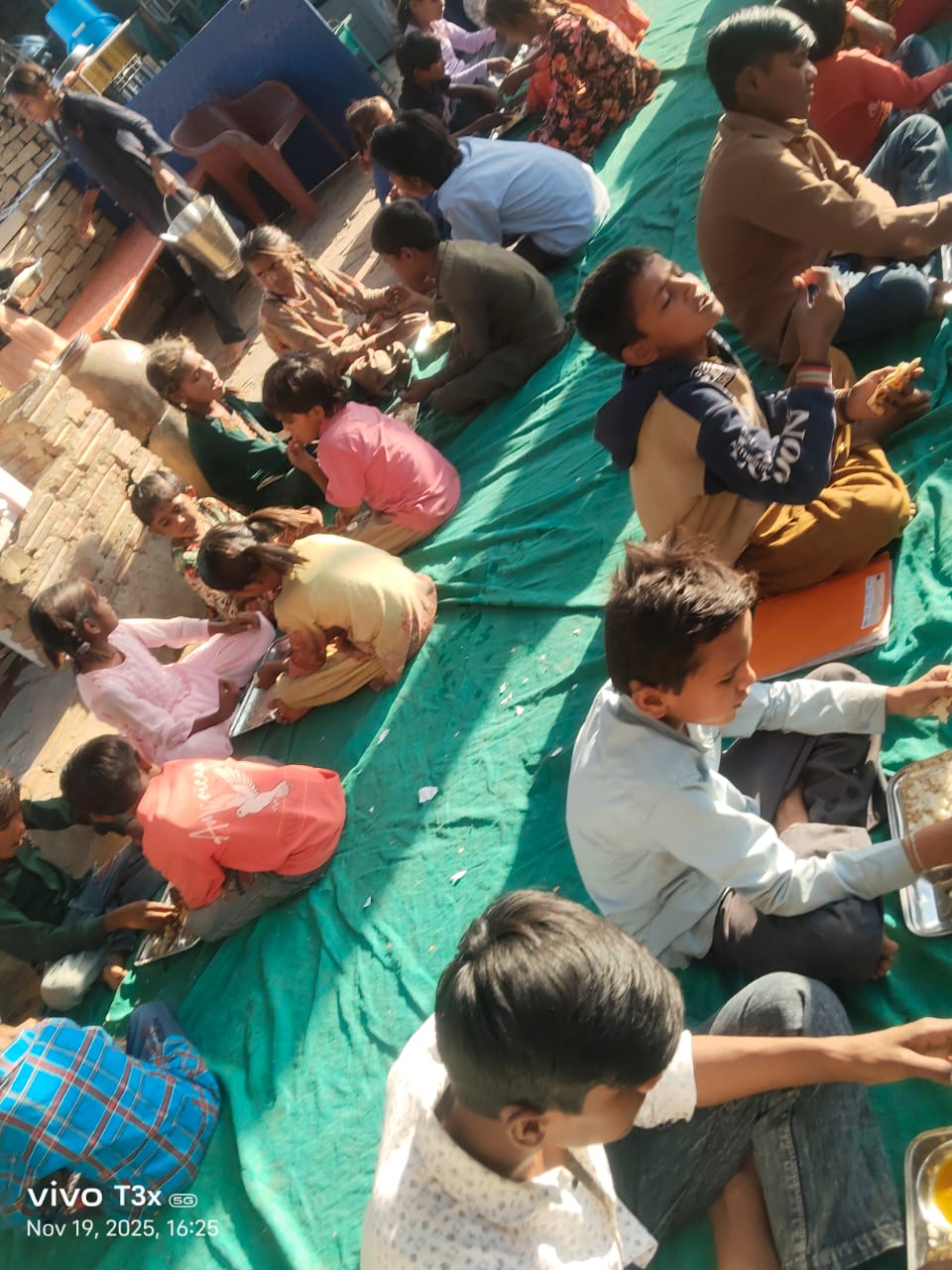
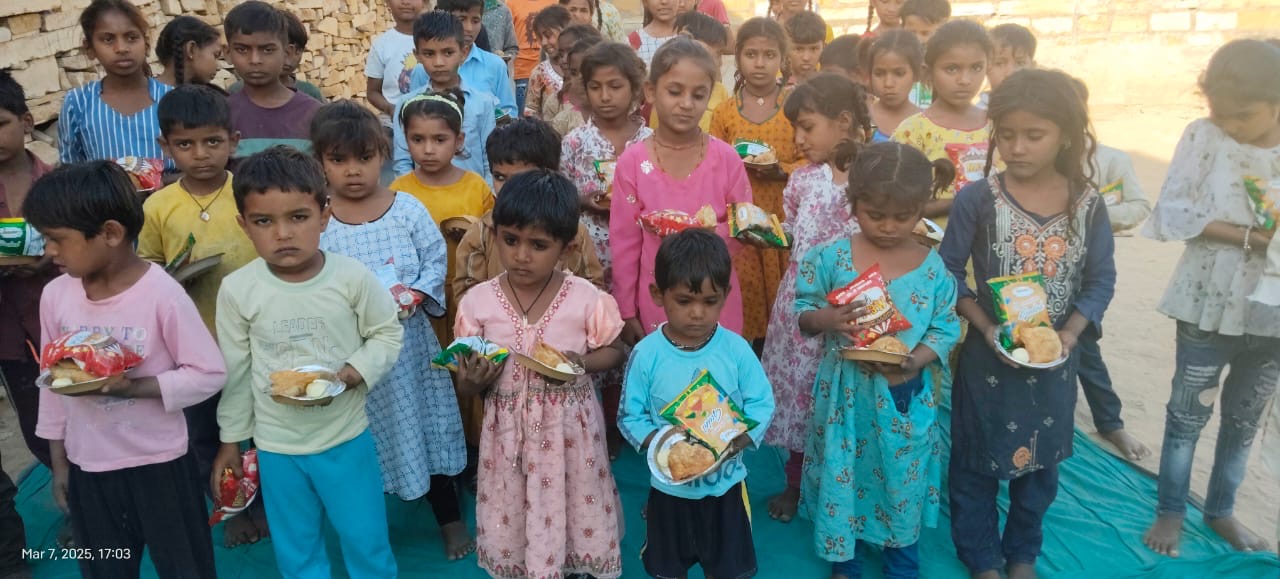
Daily meals for orphaned children
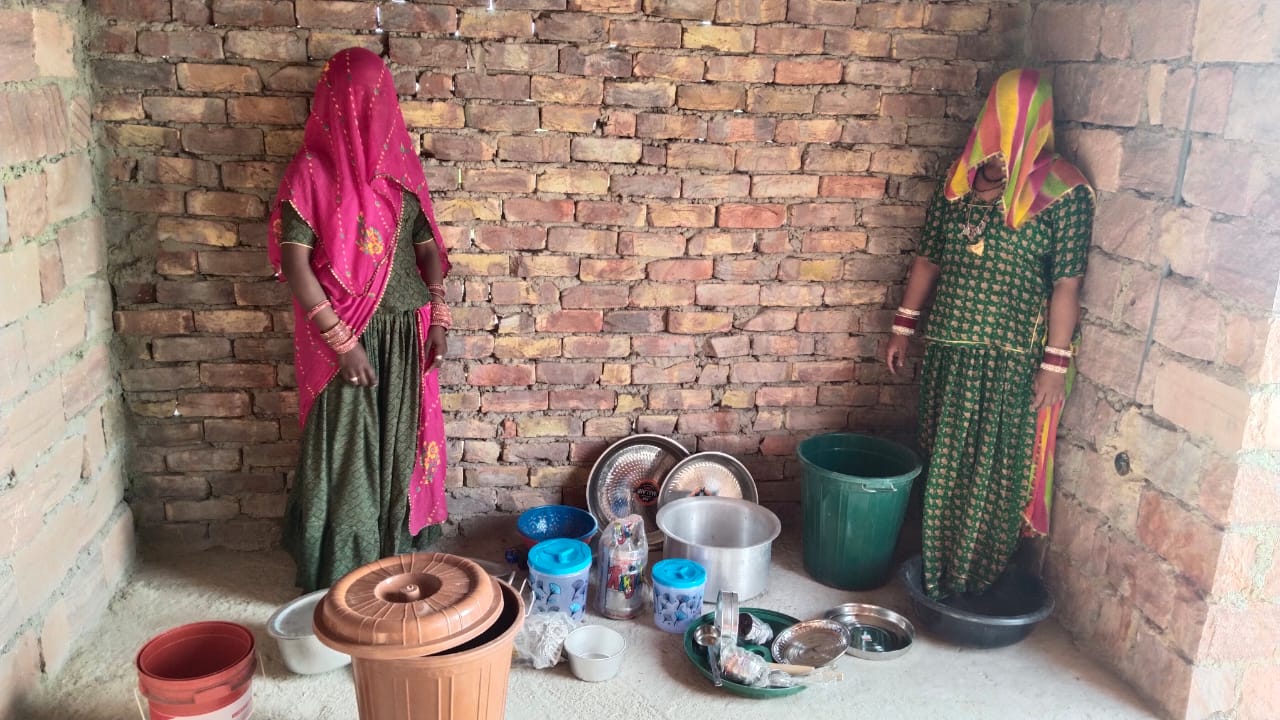
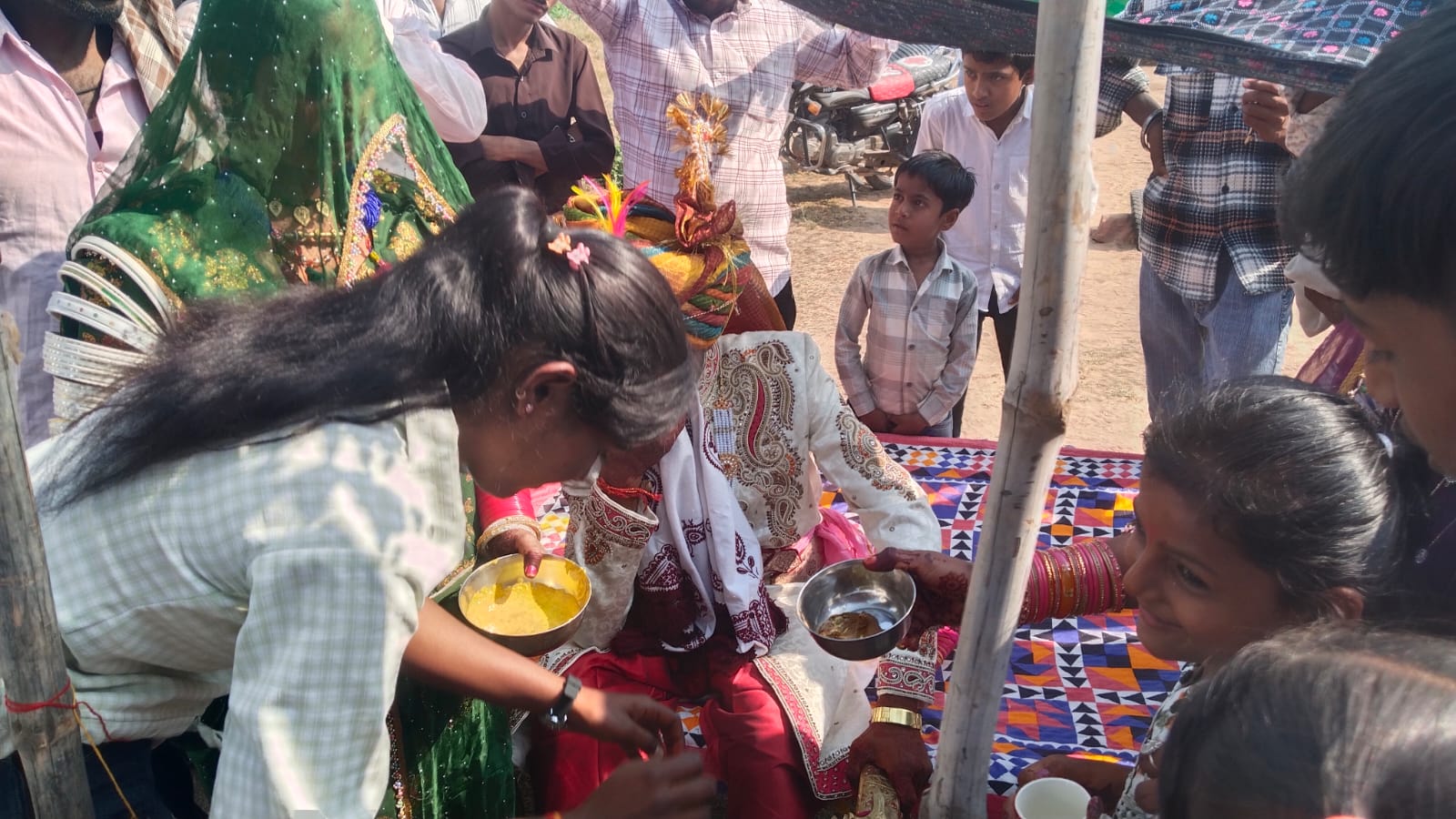
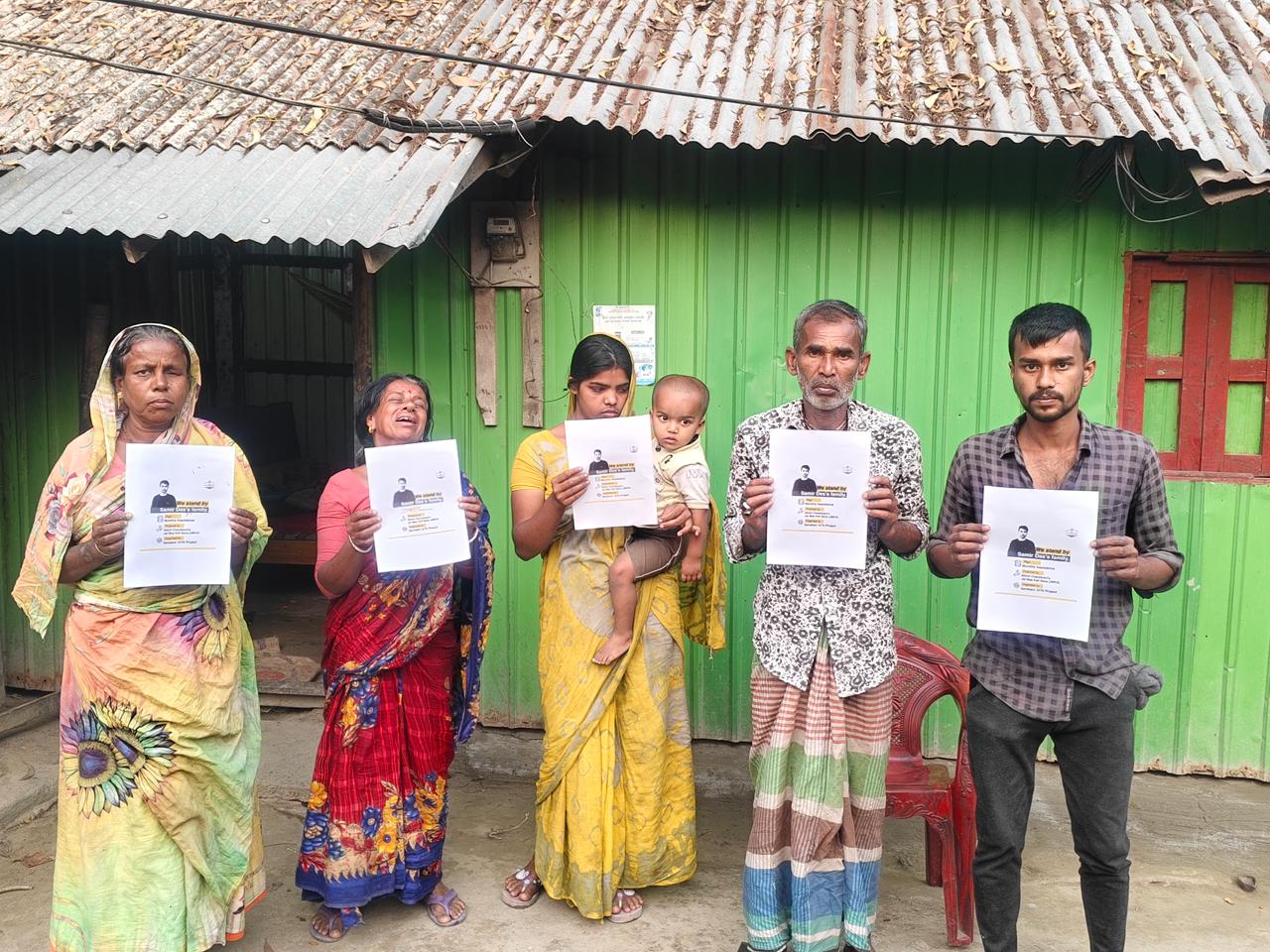
Supporting Hindu widows
An ongoing genocide no one is talking about
In Pakistan's Sindh, Hindu daughters are abducted from their homes, forcibly converted to Islam, raped, and handed to their captors by courts. The police laugh. The world says nothing.
The Crisis
This is not random violence. It is a system — one that relies on the complicity of police, courts, and clerics to function. Hindus in Sindh are predominantly Dalit landless laborers, too poor and isolated to resist. Their daughters are uniquely vulnerable.
Documented Cases
These are real, verified cases drawn from court records, activist reports, and on-ground documentation. Each represents hundreds more that were never reported.
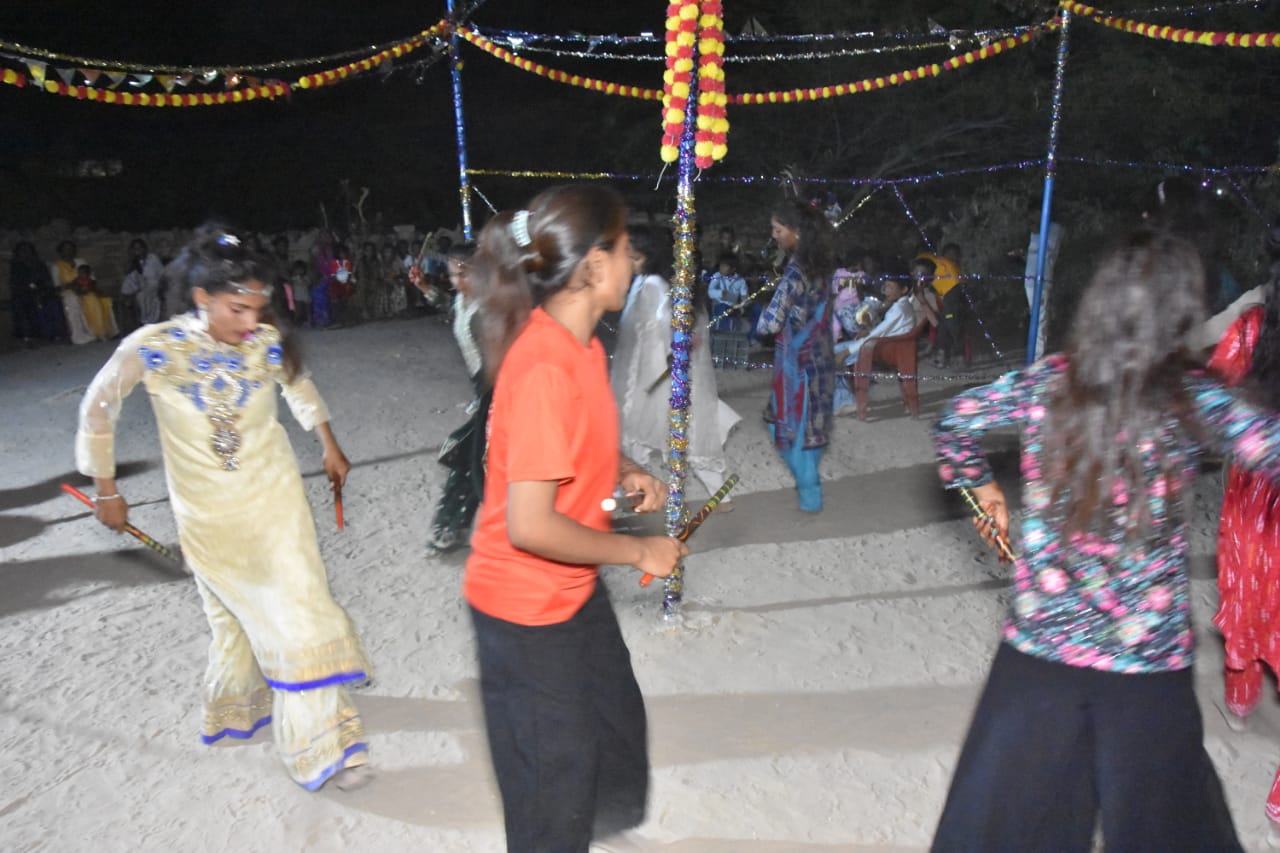
Pakistan must bring perpetrators to justice, enforce existing legal protections against abduction and trafficking of minority girls, and uphold the country's international human rights obligations.
— United Nations Human Rights Experts · January 2023
The Man Who Answered
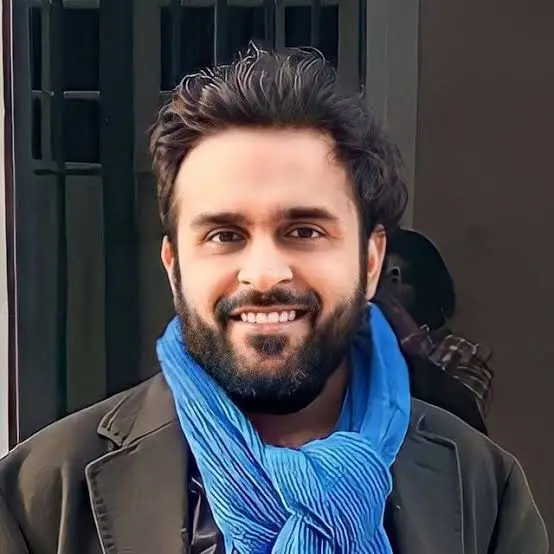
In 2017, a desperate Instagram message landed in Nikhil Chandwani's inbox. A Hindu shopkeeper in Sindh, Pakistan — his daughter being stalked by local extremists, a forced conversion imminent. He had tried the police. They laughed. His neighbors said nothing. So he turned to a stranger on social media. That stranger answered.
Nikhil is not a politician. He runs no government program. He is a Nagpur-based entrepreneur whose company, Santerra Industries, manufactures biomass pellets — converting agricultural waste into clean energy. He uses 90% of those profits to bring human beings back from persecution.
"We turn farm waste into energy. I use that energy to bring our people back from hell."
Over nearly a decade, he has built a covert rescue network: 500+ Hindu activists operating inside Sindh at great personal risk — identifying threatened families, securing documents, coordinating safe movement across borders. Indian lawyers handle legal status. Doctors treat trauma. Every rescue is fully funded: passports, visas, transport, temporary housing, and long-term rehabilitation.
He has received death threats. Online fatwas have been issued against him. He has never stepped back. "The moment a rescued person begins to smile again — the moment they start dreaming again — you realise the fight is worth it."
His long-term vision: a permanent rehabilitation settlement for rescued families — homes, schools, clinics, community halls, and temples. A place, as he puts it, where "no one knocks on your door in the middle of the night to take your daughter away."
In His Own Words
Documented Impact
No government funding. No corporate grants. No NGO. A biomass pellet factory in Nagpur, 500 brave volunteers inside Pakistan, and an unshakeable conviction that every Hindu life matters.
Active Projects
Nikhil funds 90% of every rescue from his own business. He asks for no personal glory and no dependency — but the scale of the crisis has grown beyond what one factory can sustain. Every rupee goes directly to rescue operations, orphan care, and widow support.
The moment a rescued person begins to smile again — the moment they start dreaming again — you realise the fight is worth it.
— Nikhil Chandwani · Nagpur, India